Assumed a baseline that does not exist
Most rollouts treat the team as starting at neutral. Your people are spread across a wide psychological spectrum.
For talent and transformation leaders who own an AI rollout. Your people sit at different stages of mindset and capability. See where they are, and which move will land.
Free. 23 questions. About 10 minutes. In beta.
Sample team of 12. Not real data.
Tap a note, then tap a square to move it. You can also drag, or use the arrow keys.
The move that fits: One self initiated AI interaction outside of a required task.
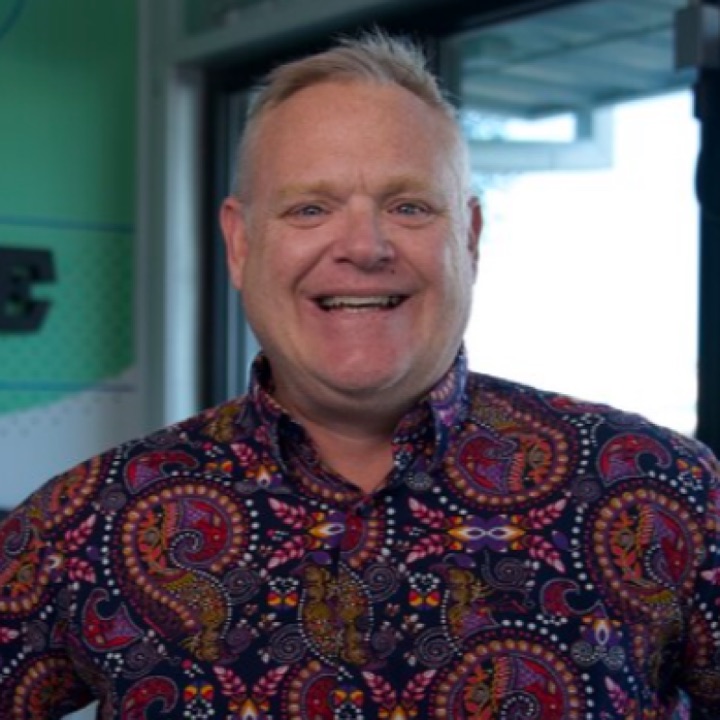
Brian Ferguson, founder
Talent leader and AI capability practitioner. Builder of the AI Mindset Spectrum and AI Capability Ladder. Internal AI advocate inside complex organizations.
“I have spent my career inside organizations leading talent functions, building capability programs, and watching what actually drives people to change how they work.”
Most rollouts treat the team as starting at neutral. Your people are spread across a wide psychological spectrum.
Sending a communication does not shift a mindset. Leaders read silence as alignment. It is not.
Usage at 90 days tells you who complied. Compliance disappears when the pressure does.
Most change plans move from awareness straight to behavior. They skip the part where people decide whether they are in.
How someone relates to AI and what they can do with it are separate questions. Answer both and the next move becomes clear.
This is not for me.Next move: One conversation that separates AI as a tool from AI as a threat.
I will believe it when I see it.Next move: One low stakes use case that solves a problem they already have.
I use it but I do not trust it.Next move: One self initiated AI interaction outside of a required task.
I am figuring out what works for me.Next move: One clear picture of what good looks like at the next level.
AI is part of how I work.Next move: One shift from personal efficiency to team impact.
My job is to raise everyone around me.Next move: Give them the room to coach others.
Match the intervention to the stage. Wrong stage. Wrong intervention. No movement.
Scenarios, self assessment, and two prompts you write yourself. About 10 minutes.
Your mindset stage and capability level, placed on the board.
One clear focus for your stage, with steps you can begin this week.
Rogers describes how adoption spreads across a population. ADKAR, the model behind Prosci’s approach, describes the steps one person goes through in a change. The Talent Trailblazer maps two things they do not separate: how someone relates to AI and what they can do with it. Then it names the move that fits that position.
The assessment is free.
Scenario answers carry 50% of your capability score, your two written prompts 30%, and self assessment 20%. AI scores the written prompts against a fixed rubric. The rest is a fixed formula.
The assessment is in beta. It has not finished its calibration round, so treat your result as a strong starting point for a conversation and not as a verdict.
Yes. A leader with a Multiplier mindset who is new to AI sits at Explorer on the Capability Ladder. The belief is there. The gap is skill.
Access to tools does not create capability. The Capability Ladder measures what someone can actually do.
Two dimensions, 23 questions, and a next move you can start this week. Free.